
Certified organic by OF&G
Why we’re organic
Every bottle of PiQi is certified organic, from the cane sugar and figs in our first ferment to the fruit, ginger, matcha and spirulina in the second. Here’s what organic really means, why it matters for wildlife, soil and water, and why we’d never brew it any other way.
The short answer
Organic means food grown and made to strict, legally defined standards that work with nature: far fewer pesticides, no synthetic fertilisers, no genetically modified ingredients, and every step inspected and certified. PiQi is certified organic by OF&G, and every agricultural ingredient in our water kefir is organic.
What does organic mean?
“Organic” isn’t a marketing word: it’s protected by law. In the UK, a food can only be called organic if at least 95% of its agricultural ingredients are organic and every business that grows, makes or packs it is certified by an approved organic control body (GOV.UK). Organic farms and food makers are inspected at least once a year, and every ingredient has to be traceable back to the farm.
Organic farming is a whole way of producing food that works with nature rather than against it. Organic farmers:
- use only a small number of pesticides derived from natural ingredients, and only in restricted circumstances
- don’t use synthetic fertilisers, building soil fertility with compost, crop rotation and nitrogen-fixing plants instead
- never use genetically modified (GM) crops or ingredients
- look after hedgerows, ponds and field margins, where wildlife lives
Organic food processing is strictly controlled too: only a short list of additives and processing aids is permitted.
Why organic matters
Far fewer pesticides
Organic farmers are permitted to use around 20 pesticides, all derived from natural ingredients such as citronella and clove oil, compared with around 400 in non-organic farming (Soil Association). Instead of spraying, they manage pests with natural methods, like crop rotation and encouraging the ladybirds that eat aphids.
More wildlife
A major review of 94 studies found that organic farms support, on average, around 30% more species than non-organic farms, from plants and insects to birds (Tuck and others, Journal of Applied Ecology, 2014). With so many of Britain’s insects and pollinators in decline, that matters.
Healthier soils
Organic farming starts with the soil. Rather than synthetic fertilisers, organic farmers feed the soil with compost and manure and rotate their crops, which helps keep it full of life, from earthworms to the countless microbes underground.
Cleaner water
Organic standards ban synthetic nitrogen fertilisers, which can run off fields into rivers and streams. That lowers the risk of pollution for the wildlife that lives in our waterways (Soil Association).
You know what you’re getting
Because every organic ingredient must be traceable and every step inspected, the organic logo is one of the most reliable labels in your shopping basket.
What organic means for PiQi
We brew our water kefir by hand in small batches at Venn Valley in Devon, and we’re certified organic by OF&G (Organic Farmers & Growers), which certifies over half of all organic land in the UK. That means:
- Organic cane sugar to feed our water kefir culture (most of it is transformed during fermentation)
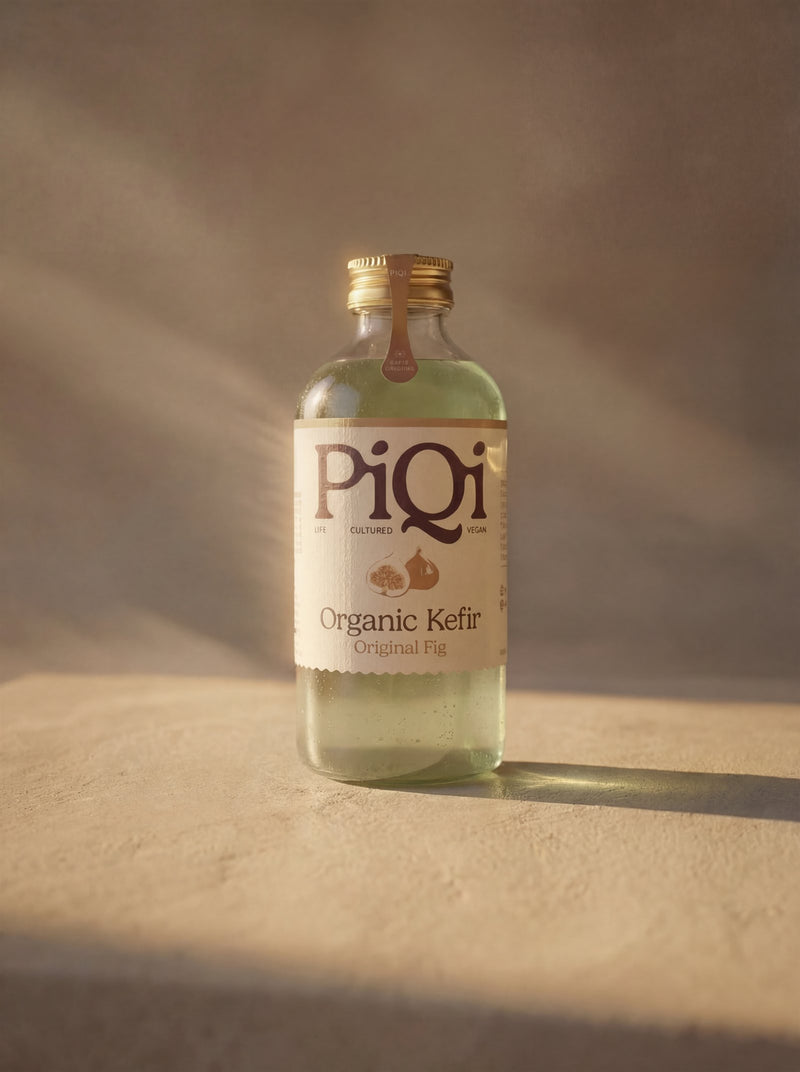
- Organic figs in every first ferment, for that honeyed depth
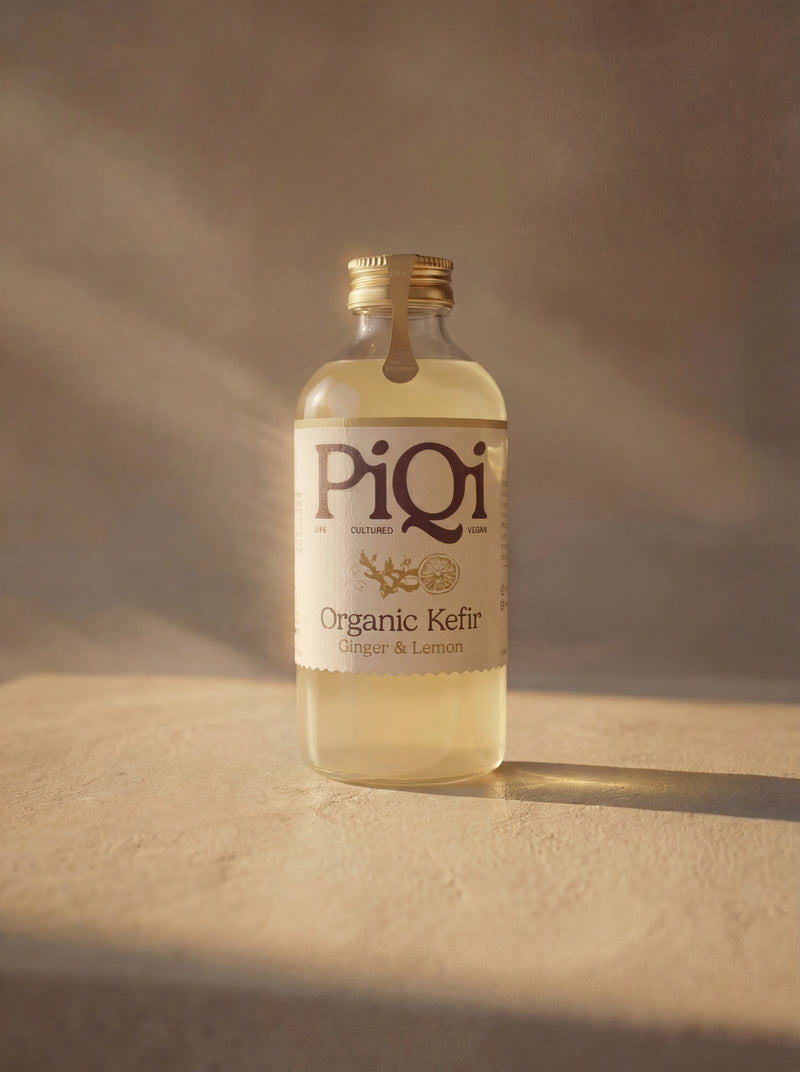
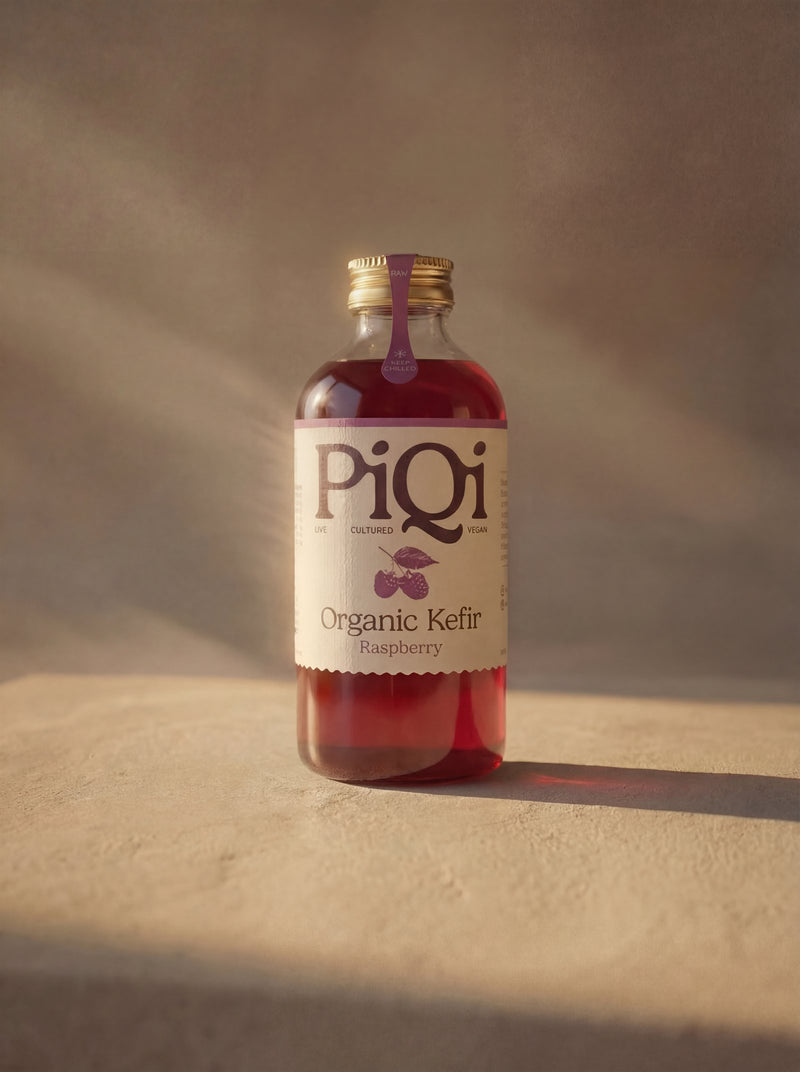
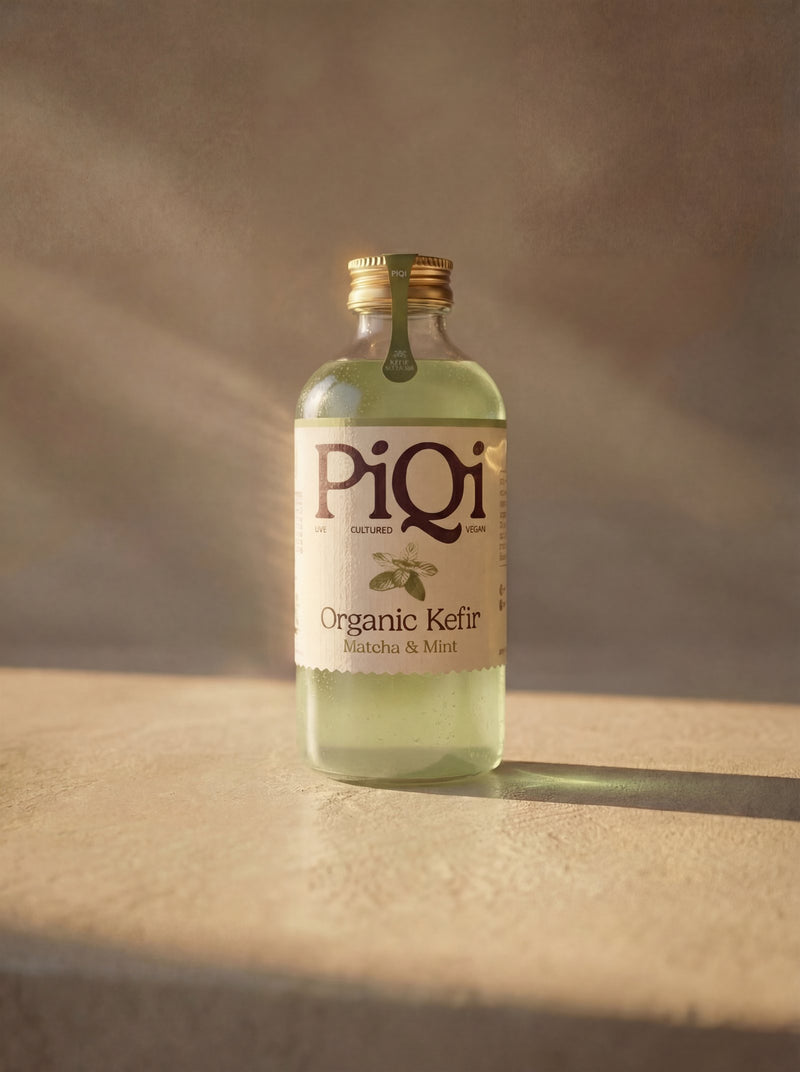
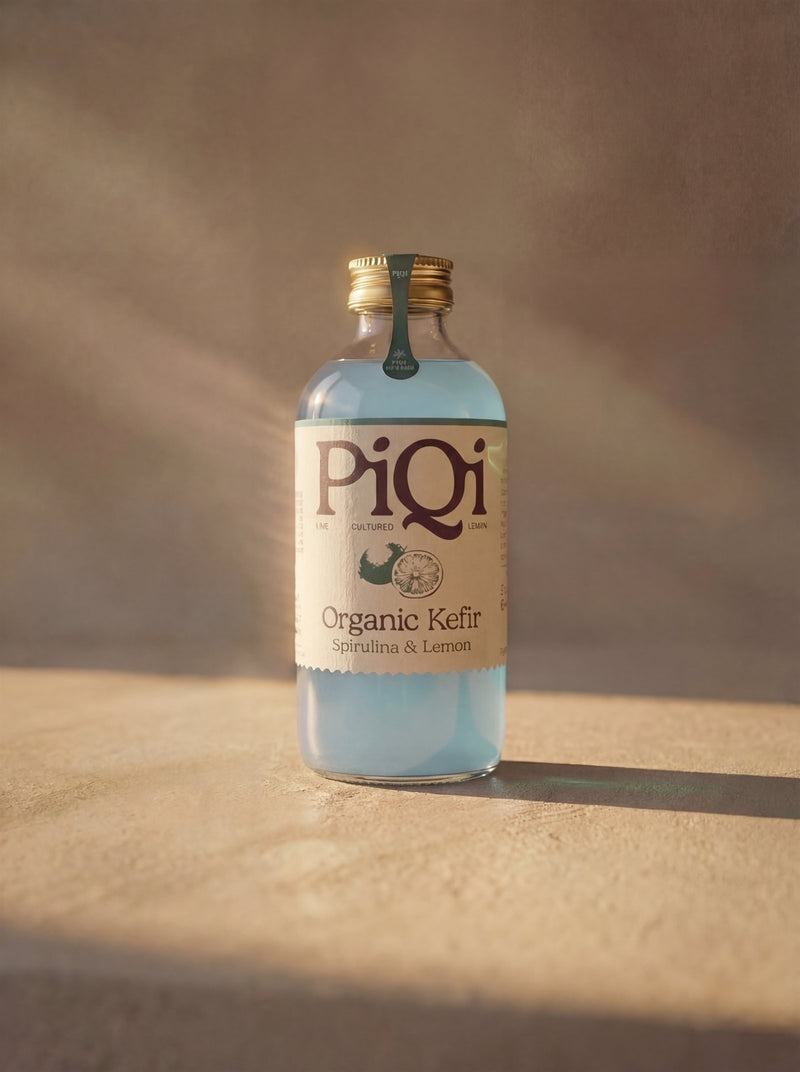
- Organic fruit, juices and botanicals in every second ferment: raspberries, ginger, lemon, lime, premium organic matcha and blue spirulina
- Inspected every year, from the ingredients we buy to the way we brew, bottle and label
PiQi is also certified vegan, raw and never pasteurised, and bottled in glass, which keeps the flavour and sparkle exactly as we brewed it.
Our handmade soaps are vegan and made with natural ingredients, but they aren’t certified organic. Certified organic applies to our water kefir.
Sources
- GOV.UK: Organic food: labelling and advertising rules
- Soil Association: Why organic is better for wildlife
- Tuck SL and others. Land-use intensity and the effects of organic farming on biodiversity: a hierarchical meta-analysis. Journal of Applied Ecology, 2014
- OF&G: Organic Farmers & Growers
What does organic mean?
Organic food is grown and made to legally defined standards. Organic farms work with nature: they may use only a small number of pesticides derived from natural ingredients, don’t use synthetic fertilisers or genetically modified ingredients, and build healthy soil with crop rotation and compost. Every organic business is inspected and certified by an approved organic control body.
Is PiQi certified organic?
Yes. PiQi water kefir is certified organic by OF&G (Organic Farmers & Growers), one of the UK’s approved organic control bodies. Every agricultural ingredient we use is organic: cane sugar, figs, fruit, juices, ginger, matcha and spirulina.
What does the organic logo on a label mean?
In the UK, a food can only be labelled organic if at least 95% of its agricultural ingredients are organic, and the business that makes it is certified by an approved control body. The control body’s code on the label tells you who checked it.
Why is organic food more expensive?
Organic farming usually produces lower yields, takes more time and labour (weeding by hand or machine rather than spraying, for example), and certification and annual inspections have a cost. Organic ingredients cost more to buy, and we think they’re worth it.
Is organic food healthier?
We choose organic for how it’s grown: the difference it makes to wildlife, soil and water. Research into whether organic food is more nutritious is still debated, and we don’t make health claims about our drinks.
Is PiQi vegan too?
Yes. As well as being certified organic, PiQi is certified vegan, and it’s dairy-free: water kefir is made with water, not milk. See our guide to dairy-free kefir.