
Understanding Gut Health and Immunity
As winter sets in, the chill in the air often brings with it a wave of seasonal illnesses. Our bodies, particularly our immune systems, need all the help they can get to fend off the colds and flu that are so prevalent during this time of year. A crucial aspect of maintaining overall health and preventing illness is ensuring that our gut health is in optimal condition. The gut, often referred to as the "second brain," is a complex ecosystem that plays a significant role in our overall well-being.

The gut microbiome, a diverse community of bacteria and other microorganisms residing in the digestive tract, is essential for various bodily functions. These trillions of microorganisms aid in digestion, nutrient absorption, and the production of essential vitamins. More importantly, they are a cornerstone of our immune system, influencing its functionality and responsiveness. A healthy gut microbiome can help us fight off pathogens, reduce inflammation, and enhance our overall immunity.
The link between gut health and immunity is profound. Approximately 70% of the immune system is housed in the gut, making it a critical area for maintaining our overall health, especially during the winter months. When the gut microbiome is balanced and thriving, it can act as a barrier against harmful invaders. Conversely, an imbalanced gut can lead to a weakened immune system.
The Importance of Fermented Foods in Winter
Fermentation involves the breakdown of carbohydrates by bacteria and yeast, transforming the food's composition and often improving its digestibility. This process creates beneficial bacteria known as probiotics, which can replenish and support the gut microbiome. During winter, when we tend to eat less fresh produce our bodies need extra support, fermented foods can be an excellent addition to our diet.
Incorporating fermented foods into our winter diet can also help combat the seasonal slump that many of us experience. The probiotics in these foods can enhance our mood and mental health by influencing the gut-brain axis, a bidirectional communication pathway between the gut and the brain. This connection means that a healthy gut can lead to improved mental well-being, which is particularly valuable during the darker, colder months that can sometimes trigger seasonal affective disorder (SAD).
Top Fermented Foods to Include in Your Diet

Fermented foods come in a wide variety, each offering unique flavors and health benefits! It's important to find something that you love to eat every day! Sour power might not be for everyone but there are plenty of options to suit our taste buds.
1. Sauerkraut
Made from fermented cabbage, sauerkraut is a tangy addition to many dishes. It is high in fiber, vitamins C and K, and probiotics, making it a great way to enhance gut health and boost immunity.
2. Kimchi
Kimchi, a staple in Korean cuisine, is a spicy fermented vegetable dish usually made with cabbage, radishes, and a variety of seasonings. It is packed with probiotics, vitamins, and minerals that support gut health and enhance the immune system.
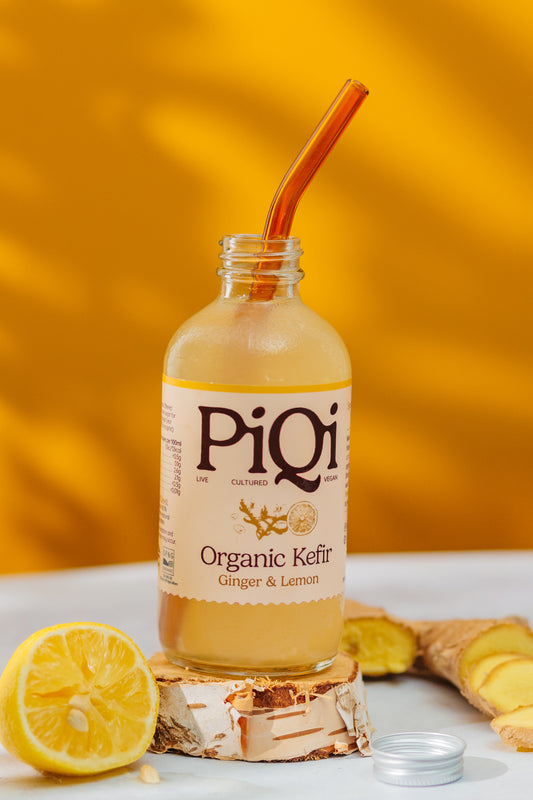
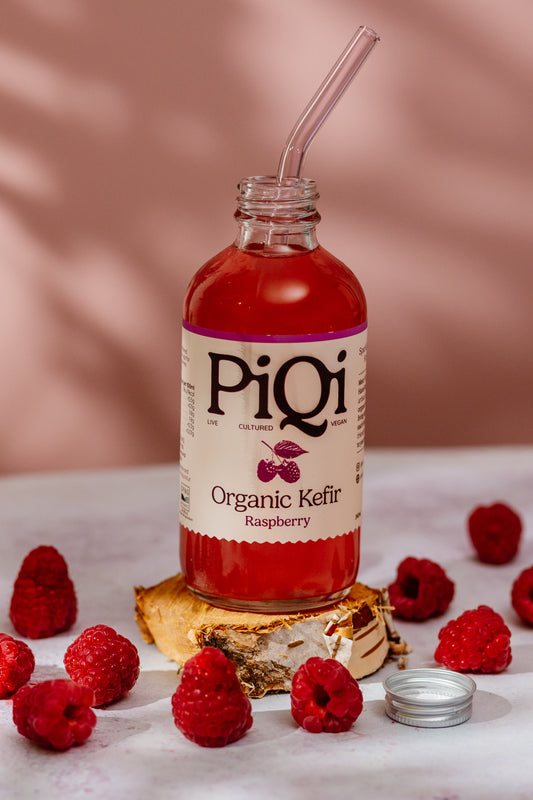
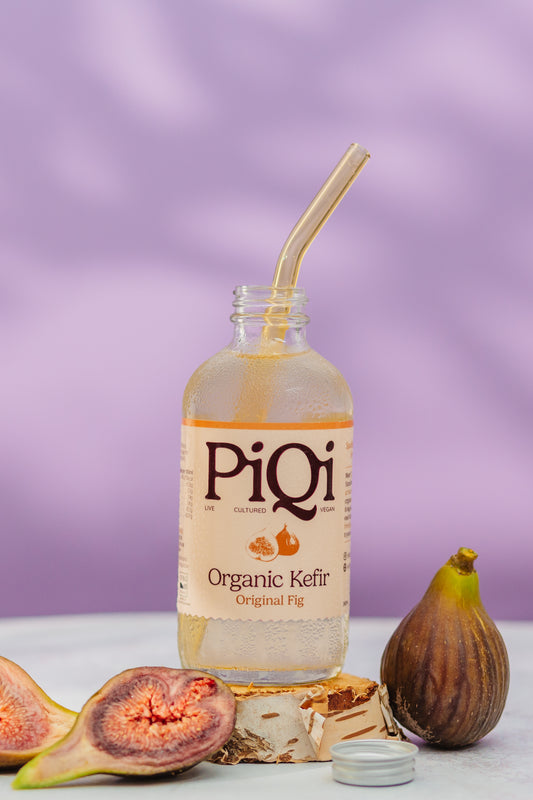
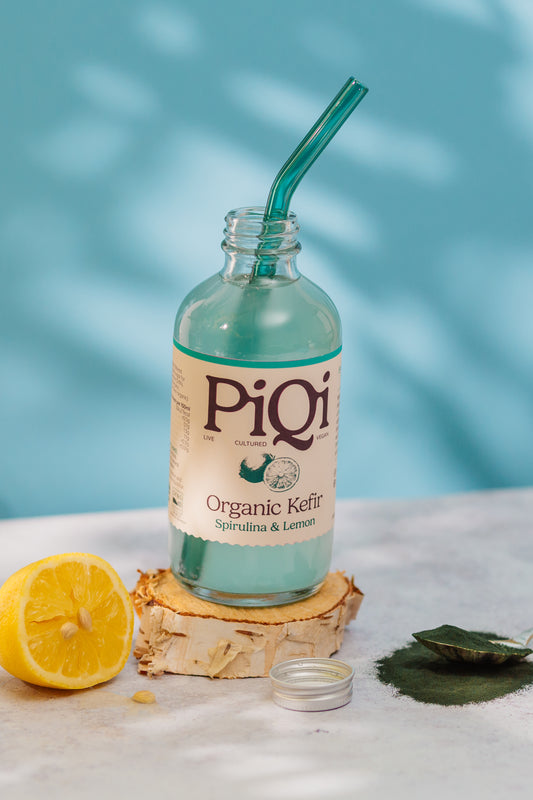
3. Water Kefir
Kefir is a fermented milk drink that has a slightly tangy taste. It contains a wider variety of probiotics than yogurt and can be an excellent addition to a winter diet for boosting gut health and immunity.
4. Kombucha
Kombucha is a fermented tea beverage that is rich in probiotics and antioxidants. Its fizzy nature and unique flavor make it a refreshing way to support gut health.
5. Fermented Nuts
Soaking nuts like cashews or almonds in a brine (like water kefir) creates a probiotic-rich, easily digestible snack that is high in healthy fats.
6. Fermented Sauce
Unlike vinegar and oil-based sauces, fermented hot sauce offers a complex depth of flavor and live probiotic cultures to spice up your meals and support your gut.
7. Homemade Yogurt
Making yogurt at home allows you to control the sugar content and ensure it’s packed with live, active cultures.
8. Fermented Tomatoes
A party favourite, these fizzy "champagne" umami-rich tomatoes are not only incredibly tasty but also great for the gut. It's a perfect swap for pickles.
9. Coconut Kefir
A creamy, dairy-free alternative to traditional milk kefir, perfect for those with lactose sensitivities.
10. Probiotic Overnight Oats
A perfect probiotic-rich breakfast. Probiotic Overnight Oats are made by soaking oats in water kefir, milk kefir, or live yogurt, creating a nutrient powerhouse to help you start the day.
How Fermented Foods Enhance Gut Microbiome
Fermented foods are a powerhouse for enhancing the gut microbiome, the community of microorganisms living in our digestive tract. These foods provide a rich source of probiotics, which are beneficial bacteria that help maintain the balance of the gut microbiome. A diverse and balanced gut microbiome is crucial for optimal digestive health, immune function, and overall well-being.
In addition to providing probiotics, fermented foods can also enhance the gut microbiome by producing bioactive compounds during the fermentation process. These compounds, such as short-chain fatty acids, have anti-inflammatory properties and can support the integrity of the gut lining. A healthy gut lining is essential for preventing the leakage of harmful substances into the bloodstream, a condition known as leaky gut syndrome, which can trigger immune responses and inflammation.
The connection between fermented foods and immunity is backed by a growing body of scientific research. The probiotics found in fermented foods play a critical role in modulating the immune system. So how should you incorporate them in your diet? Here are some practical tips to help you get started:
- Start Small: If you are new to fermented foods, start with small servings and gradually increase your intake. This allows your gut to adjust to the introduction of new probiotics.
- Mix and Match: Include a variety of fermented foods in your diet to ensure you are getting a diverse range of probiotics. Try incorporating water kefir, sauerkraut, kimchi, and yogurt into your meals.
- Breakfast Boost: Add a spoonful of yogurt or water kefir to your morning smoothie or enjoy a bowl of yogurt with fresh fruit and granola. This is an easy way to start your day with a probiotic boost.
- Snack Smart: Enjoy fermented foods as snacks. Have a small bowl of fermented nuts or a few fermented tomatoes as a mid-afternoon snack. These foods are not only nutritious but also satisfying.
- Enhance Your Meals: Use fermented foods as condiments or side dishes to complement your meals. Add sauerkraut to sandwiches, kimchi to rice bowls for an extra flavor and health boost. Opt for a probiotic drink like water kefir or kombucha instead of a soft drink or alcohol.
- Experiment with Recipes: Try new recipes that incorporate fermented foods. Some are surprisingly simple to make, like sauerkraut for example which only needs 2 ingredients cabbage and salt. Make homemade salad dressings with water kefir, or use kombucha or water kefir as a base for a refreshing drink.
- Stay Consistent: Consistency is key when it comes to reaping the benefits of fermented foods. Aim to include them in your diet regularly to support your gut health and immunity.
Are Fermented Foods for Everyone? Some Side Effects to Consider

While fermented foods offer numerous health benefits, it's important to be aware of potential side effects, especially for those new to these foods or with specific health conditions. Here are some potential side effects to consider:
1. Fermented Foods and Digestive Discomfort
Introducing fermented foods too quickly can lead to digestive discomfort, such as bloating, gas, and diarrhea. This is often due to the sudden influx of probiotics and the body's adjustment to the new gut flora. To minimize discomfort, start with small servings and gradually increase your intake.
2. Histamine Intolerance
Fermented foods are high in histamines, which can trigger symptoms in individuals with histamine intolerance. Symptoms may include headaches, hives, digestive issues, and nasal congestion. If you suspect histamine intolerance, it's best to consult with a healthcare professional before adding fermented foods to your diet.
3. Sodium Content
Some fermented foods, like sauerkraut and kimchi, can be high in sodium due to the salt used in the fermentation process. Excessive sodium intake can lead to high blood pressure and other health issues. If you are watching your sodium intake, look for low-sodium options or consume fermented foods in moderation.
4. Potential Allergens to Consider
Fermented foods made from common allergens, such as dairy (yogurt, kefir) or soy (miso, tempeh), can cause allergic reactions in sensitive individuals, foods like kimchi often contain fish as well. Always read labels and be aware of the ingredients used in fermented foods to avoid potential allergens.
5. What about the Alcohol Content?
Some fermented beverages, like kombucha and water kefir, can contain small amounts of alcohol due to the fermentation process. While the alcohol content is typically low, it may be a concern for individuals who are avoiding alcohol for health or personal reasons. Alcohol of commercially produced drinks is usually below 0.5 ABV, however, if brewed at home alcohol can reach to about 1.5% ABV
By being mindful of these potential side effects and introducing fermented foods gradually, you can enjoy their health benefits while minimizing any adverse reactions.
If you're ready to get started on your fermented food journey check out our water kefir shop and easy recipes for homemade fermented foods like sauerkraut and kefir.